US Work Visa 2025: Document Checklist and Application Timeline – A Comprehensive Guide
Navigating the intricate landscape of US work visas can be a daunting task. With constantly evolving regulations and stringent documentation requirements, a thorough understanding of the process is crucial for a successful application. This guide focuses on US work visas for 2025, providing a detailed document checklist and application timeline to help you navigate the process effectively. Please remember that this information serves as a general guideline and consulting with an immigration attorney is always recommended.
Understanding Different US Work Visa Categories
Before diving into the specific requirements, it’s important to identify the appropriate work visa category for your situation. Common categories include:
- H-1B (Specialty Occupations): For individuals in specialized fields requiring theoretical or technical expertise, typically a bachelor’s degree or its equivalent.
- L-1 (Intracompany Transferee): For executives, managers, or specialized knowledge employees transferring from a foreign affiliate, parent, subsidiary, or branch office of a US company.
- O-1 (Individuals with Extraordinary Ability or Achievement): For individuals with extraordinary ability in the sciences, arts, education, business, or athletics, or who have a demonstrated record of extraordinary achievement in the motion picture or television industry.
- TN (NAFTA Professionals): For citizens of Canada and Mexico who qualify under the North American Free Trade Agreement (NAFTA) to work in specified professional occupations.
- E-3 (Specialty Occupation Professionals from Australia): Similar to the H-1B visa but specifically for Australian citizens working in specialty occupations.
- H-2B (Temporary Non-Agricultural Workers): For temporary workers performing non-agricultural services in the US, where there is a demonstrated shortage of US workers.
The requirements detailed below are generally applicable but may have specific nuances depending on the chosen visa category.
Comprehensive Document Checklist for US Work Visas (2025)
This checklist is broadly applicable across several visa categories, but always refer to the specific instructions for your chosen visa type and consult with an immigration attorney.
I. Documents Related to the Petitioner (US Employer)
- Employer Identification Number (EIN): Essential for confirming the employer’s legitimacy.
- Proof of Business Existence: Documents such as articles of incorporation, business licenses, and state registration certificates.
- Financial Statements: Audited financial statements, annual reports, and tax returns to demonstrate the company’s ability to pay the offered wage. This is critical for H-1B and similar visas.
- Detailed Job Description: A comprehensive job description outlining the specific duties, responsibilities, required qualifications, and supervisory role (if any) of the position.
- Wage Offered: Documentation of the offered wage, ensuring it meets or exceeds the prevailing wage for the occupation and location, as determined by the Department of Labor (DOL).
- Employee Benefit Package Details: A summary of employee benefits, including health insurance, retirement plans, and other perks.
- Organizational Chart: Showing the position’s place within the company hierarchy and reporting structure.
- Letters of Support: Letters from clients, vendors, or other relevant parties highlighting the company’s expertise and need for the foreign worker’s skills.
- Labor Condition Application (LCA) – for H-1B, E-3, and H-1B1 Visas: A certified LCA from the Department of Labor confirming that employing the foreign worker will not adversely affect the wages and working conditions of similarly employed US workers. This document is crucial and must be obtained before filing the visa petition with USCIS.
- Supporting Documentation for L-1 Visa (if applicable): Proof of qualifying relationship between the US and foreign company, such as stock ownership, subsidiary agreements, or branch office registrations. Detailed evidence of the beneficiary’s employment abroad for at least one continuous year within the three years preceding the transfer.
- Evidence of Extraordinary Ability (for O-1 Visa – if applicable): Documentation proving the beneficiary’s extraordinary ability, such as awards, publications, membership in prestigious organizations, and high salary.
II. Documents Related to the Beneficiary (Foreign Worker)
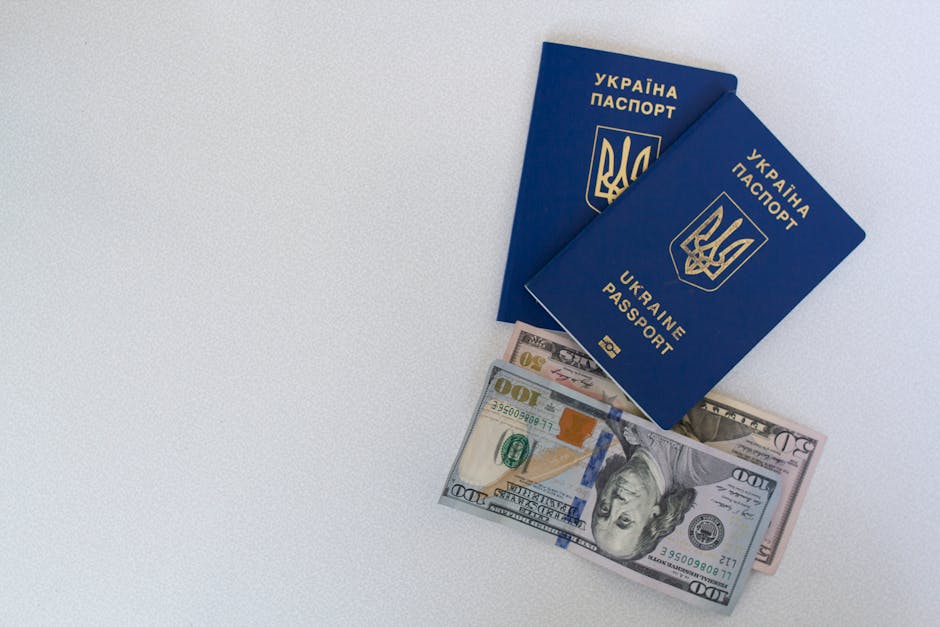
- Valid Passport: Passport must be valid for at least six months beyond the intended stay in the US.
- Passport Photos: Recent passport-style photographs meeting USCIS specifications.
- Educational Credentials: Certified copies of diplomas, degrees, transcripts, and certificates. Foreign educational credentials may require evaluation by a credential evaluation service.
- Professional Licenses and Certifications: Copies of any relevant professional licenses, certifications, or registrations required for the position.
- Detailed Resume/Curriculum Vitae (CV): A comprehensive resume outlining work experience, education, skills, and accomplishments.
- Letters of Recommendation: Letters from previous employers, professors, or industry experts attesting to the beneficiary’s skills, experience, and qualifications.
- Proof of Qualifying Experience: Documentation demonstrating relevant work experience, such as employment contracts, pay stubs, and performance reviews.
- Translations: Certified English translations of all documents not originally in English.
- I-797 Approval Notice (if applicable): If the beneficiary has previously held a work visa, a copy of the I-797 approval notice.
- DS-160 Confirmation Page: Confirmation page from the online nonimmigrant visa application (DS-160). This is required for the visa interview.
- Birth Certificate: An official copy of the birth certificate.
- Marriage Certificate (if applicable): If applying for dependent visas for spouse and children.
- Police Clearance Certificates: From all countries where the beneficiary has resided for more than six months.
- Medical Examination Report: In some cases, a medical examination report from an approved panel physician may be required.
III. Application Timeline (Estimates for 2025)
The timeline for obtaining a US work visa can vary significantly depending on the visa category, processing times, and individual circumstances. This is a general estimate and may be subject to change.
1. Labor Condition Application (LCA) Filing (for H-1B, E-3, H-1B1):
- Timing: Approximately 7 days after filing with the Department of Labor (DOL) for electronic filing. Processing times can be longer if the LCA is not filed electronically or if the DOL requires additional information.
2. Filing the Visa Petition with USCIS (I-129 Petition):
- Timing: Varies depending on the USCIS Service Center and processing times. Typically, this can range from 3 to 7 months.
- Premium Processing: For certain visa categories (like H-1B), premium processing is available for an additional fee, guaranteeing a decision within 15 calendar days. However, USCIS may suspend premium processing at any time.
3. Visa Interview Scheduling (at the US Embassy or Consulate):
- Timing: After the I-129 petition is approved, the beneficiary needs to schedule an interview at a US embassy or consulate in their home country. Appointment availability can vary significantly, sometimes taking several weeks or even months.
4. Visa Interview and Approval:
- Timing: The interview itself usually takes a short time. If approved, the visa is typically issued within a few days to a few weeks.
5. Entry into the United States:
- Timing: Once the visa is issued, the beneficiary can enter the US within the validity period of the visa.
Important Considerations for 2025:
- H-1B Cap Lottery: The H-1B visa has an annual cap. Due to high demand, a lottery is usually conducted to select eligible petitions. The registration window typically opens in March and results are announced shortly after.
- Premium Processing Suspensions: USCIS may suspend premium processing for certain visa categories, which can significantly impact the overall timeline. Check the USCIS website for the latest updates.
- Background Checks and Security Clearances: Background checks are mandatory and can sometimes cause delays.
- Embassy/Consulate Backlogs: Interview wait times at US embassies and consulates can vary considerably. Check the specific embassy’s website for updated wait times.
Disclaimer:
This information is for informational purposes only and does not constitute legal advice. Consult with an experienced immigration attorney for personalized guidance based on your specific circumstances. Visa regulations are subject to change, so it’s crucial to stay updated with the latest USCIS policies and guidelines. This guide is not exhaustive, and additional documentation or steps may be required. Always consult the official USCIS website and your legal counsel for the most accurate and up-to-date information.